

Anna Elizabeth Dickinson, a native of Philadelphia, spent the majority of her life advocating for women’s rights and the abolition of slavery. She made history by being the first female speaker before the US Congress. Her oratorical talent helped the Republican Party win the 1863 election and had a significant influence on politics. Dickinson enjoyed going to the mountains and was courageous and uncompromising, yet she died alone and in poverty. We will tell you more about what happened to her. Find out more at philadelphianka.
Beginning of the journey
Philadelphia native Anna Dickinson rose to prominence as one of America’s most well-known figures in the second half of the nineteenth century. The girl was raised in a Quaker family, attended a local school and was an early supporter of abolitionism. At the age of 13, she published her first essay on the abolition of slavery, and her active social engagement began in 1860.
Anna joined Lucretia Mott to organize abolitionist talks across the country. Her charisma and provocative speeches drew thousands of listeners, who had to pay for a ticket to hear the young girl speak. Anna was barely twenty years old at the time.
During the Civil War, Dickinson delivered speeches to encourage fellow citizens to fight for what they stood for. She frequently visited hospitals. At that time, she received the nicknames the “Girl Orator” and the “American Joan of Arc.”
Anna became a national celebrity, and politicians began to practically chase her down and invite her to speak at various meetings. This was an unprecedented case since women were previously barred from attending political meetings, let alone giving speeches. However, it was Anna who supported the Republicans prior to the 1863 election.
Speech at the U.S. Capitol
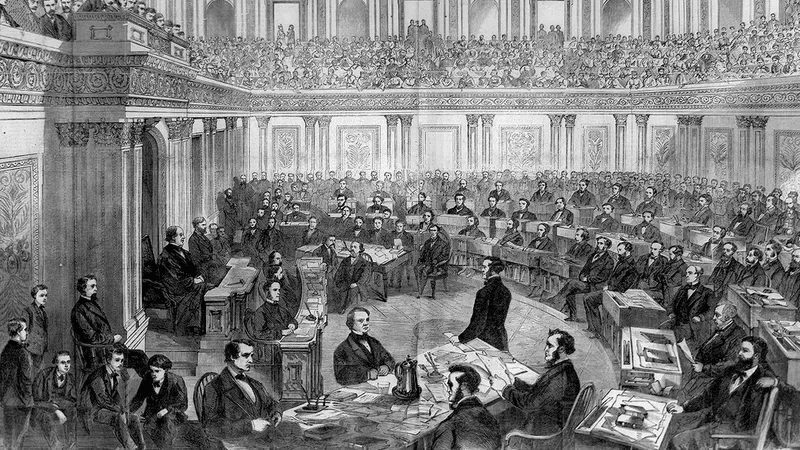
In 1864, Anna was invited to speak before the US Congress. For the first time in history, the 21-year-old was granted the opportunity to address a group of two thousand men, including cabinet members, military leaders, and President Lincoln. The first female speech at this level was met with a storm of applause.
Anna spoke for nearly an hour, barely looking at her notes. The audience listened to her every word with fascination. The girl even dared to criticize the president, yet she was later invited to the White House, where Lincoln communicated with her personally.
After the end of the war, Dickinson remained a popular and well-paid speaker. Her speeches addressed economic inequality, women’s rights and African Americans. In 1866, Dickinson addressed a Republican meeting in Philadelphia. She advocated for African Americans’ voting rights.
Anna was so successful that she made a living as a professional speaker for around $20,000 per year. At the time, it was a true phenomenon. Mark Twain admired her, and each of her talks drew a considerable audience.
However, over time, her speaking tours started to decline in both popularity and profitability. Anna wrote several books, including a novel about interracial marriage. In addition, she authored documentaries and plays. Besides that, the talented speaker had theatrical experience. Defying gender stereotypes, she played Hamlet in one of the Broadway theaters.
She also enjoyed hiking in the mountains, becoming the second woman to reach Pikes Peak.
Being forgotten and death
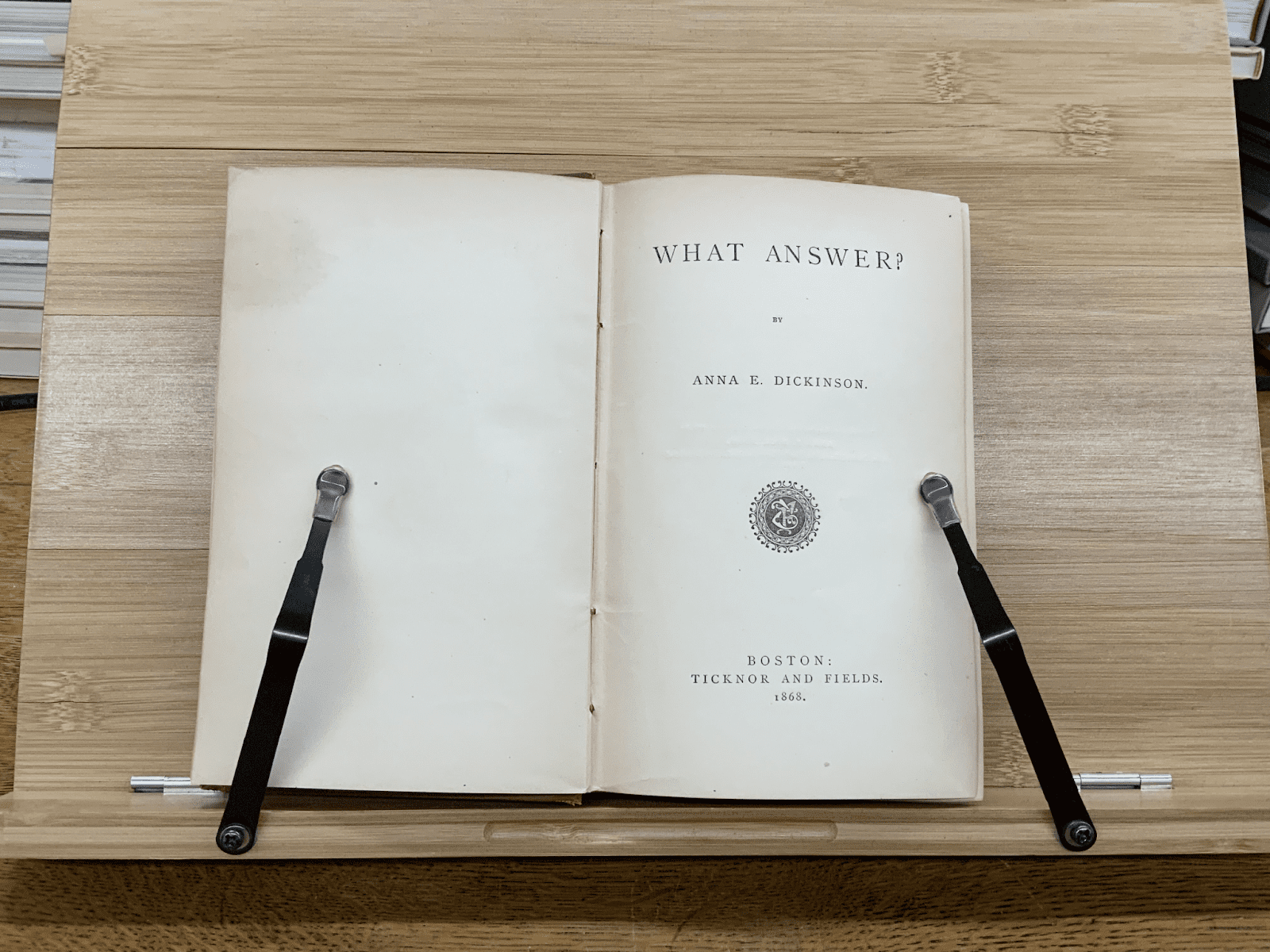
Throughout the 1860s and 1870s, Anna was a true star in the United States. People were collecting photos of her and looking for opportunities to get her autograph. Every step she made was reported in the newspapers. However, by the end of the nineteenth century, Dickinson’s fame had irreversibly faded. She spent the latter half of her life being forgotten and died in poverty.
Why did this occur? Researchers who studied her life point to several factors:
- Anna refused senior positions and preferred not to be involved in any organization’s activities.
- She also had romantic relationships with women and did not try to hide them, which at the time was phenomenal in society.
- In addition to having a difficult character, Anna also started abusing alcohol and even spent some time in a hospital for the mentally ill.
The bright and talented girl fell prey to the fame machine, which often builds up female genius in order to throw the star off her pedestal. The young girl’s achievements were too much for many male politicians to overlook, and they attempted to damage her reputation. She was regularly gossiped about in the newspapers, so she filed lawsuits, spending money and time on fanning the flames of ongoing scandals surrounding her personality.
At the same time, Anna herself was going through some changes. If each of her pubic performances in the early 1860s received acclaim, the audience’s enthusiasm significantly declined after 15 years. Previously, all of the materials about Dickinson were encouraging, but in 1873, Lucretia Mott saw that Anna was losing ground.
As a result, her star faded and she lost her fame. In the 1890s, Anna began to suffer from attacks of paranoia, forcing her to spend almost all the time in a hospital. She lived in New York for a while, while most of her friends abandoned her. Thus, Anna died alone and in poverty in 1932.
Source:
- https://www.britannica.com/biography/Anna-Elizabeth-Dickinson
- https://www.britannica.com/biography/Anna-Elizabeth-Dickinson%20https://hiddencityphila.org/2021/03/the-forgotten-fame-of-anna-dickinson/
- https://americanhistory.si.edu/explore/stories/meet-anna-dickinson-trailblazing-orator-and-political-firebrand