

Harriet Purvis was a prominent African-American abolitionist and suffragist in Philadelphia and throughout the country. She was the driving force for the founding of the Philadelphia Female Anti-Slavery Society. Together with her husband Robert, Harriet fought tirelessly for the abolition of slavery, women’s suffrage, quality education for all and the construction of the Philadelphia subway. We will tell you more about the personal and social life of this remarkable woman. Learn more at philadelphianka.
Early years
Harriet was born into the family of James and Charlotte Forten, who had eight children. James was born free and went on to achieve success in life. He was a businessman and inventor, as well as a well-known abolitionist. The family was respected in Philadelphia, particularly for their active social life. They opposed the death penalty and advocated equal rights for all citizens.
The father of the family established a school where his children, including Harriet, studied. Since childhood, the girl read a lot, participated in debates and enjoyed giving speeches. She was interested in music, literature and art, therefore she joined a number of local literary groups. However, as she grew older, she became increasingly appealed to her father’s ideas.
Subsequently, together with her mother, sisters and prominent abolitionist Lucretia Mott, Harriet founded the Philadelphia Female Anti-Slavery Society. In fact, it eventually became her life’s work. At the same time, the girl got married and had a large family. Additionally, her husband supported and shared her ideas, so together they were able to do a lot for Philadelphia.
Personal life
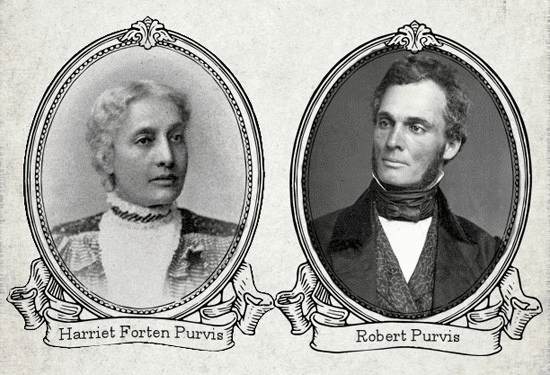
Harriet married in 1831. Her beloved was Robert Purvis, an American of mixed race. He was a fairly wealthy man of Moroccan and English descent who supported the abolition of slavery. Throughout most of their marriage, the husband and wife’s different skin colors sparked plenty of talks and surprises. Harriet and Robert, on the other hand, did not pay attention to gossip. Instead, they did what they saw fit.
The family lived in an elegant English-style house. It frequently hosted abolitionist meetings and informal dinners.
In the marriage, Harriet gave birth to eight children. In 1850, they were between the ages of one and eighteen. Harriet had time for social activities as a governess assisted with the children’s upbringing. Every child obtained a good education. Charles, one of her sons, went on to become a doctor, a medical school professor and the first African-American to run a hospital.
In 1873, the family relocated to Mount Vernon. They were going through a difficult time at this point. The children became ill, and three sons died. Two of them had tuberculosis, and Harriet contracted the dangerous disease as well while caring for them. The woman passed away on June 11, 1875.
Public activities
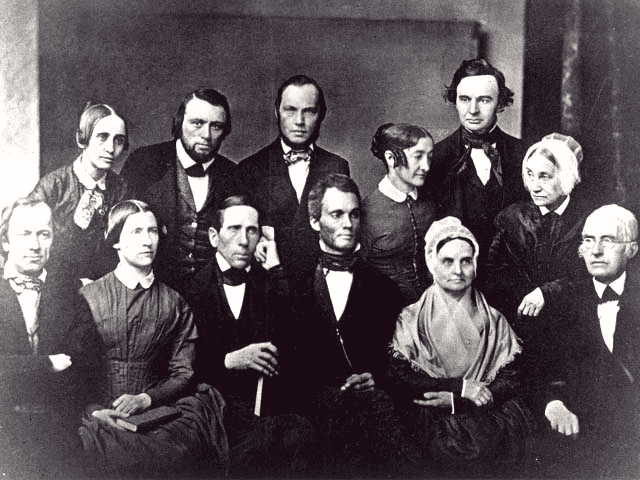
For more than 40 years of marriage, Harriet was not just a wife and mother, but also a well-known and respected public figure in Philadelphia. After giving birth to her first child, she remained active in the local Female Anti-Slavery Society and attended the Anti-Slavery Convention of American Women in New York in 1837.
The next year, the event took place in Philadelphia. The Purvis couple participated in it as well. Harriet also served as a delegate to the convention in 1839. In addition, Harriet took part in the activities of the Free Produce Society. It opposed consuming or purchasing any products manufactured utilizing slave labor. Harriet and Robert also frequently took in runaway slaves and assisted them by providing clothing and funds for travel to safe places.
After slavery was abolished, Harriet continued to struggle for African American rights, as well as the right of women to vote and the abolition of segregation. So the woman took part in the desegregation of transportation in Philadelphia and throughout the state of Pennsylvania. In 1867, a law was passed making public transportation available to all citizens, without exception.
As a suffragist, Harriet Purvis was known for the following activities:
- she was a member of the National Women’s Suffrage Association;
- together with her sister Margaretta Forten, she organized the fifth National Woman’s Rights Convention in Philadelphia in 1854;
- her daughter Hattie became the first African-American woman to serve as vice president of this organization.
Harriet and her husband strove to improve education for African Americans. They observed that white children had access to a better education than their own children. They established the Gilbert Lyceum and promoted equal educational opportunities for all children.
Harriet and Robert also contributed to the establishment of Philadelphia’s underground railroad, commonly known as the Metro. They were interested in everything new and innovative, not only in public relations but also in urban infrastructure and science. As a result, they contributed significantly to the improvement of the lives of all citizens. They were subjected to persecution and struggle on numerous occasions, but they remained faithful to their views.